Thursday, July 21, 2005

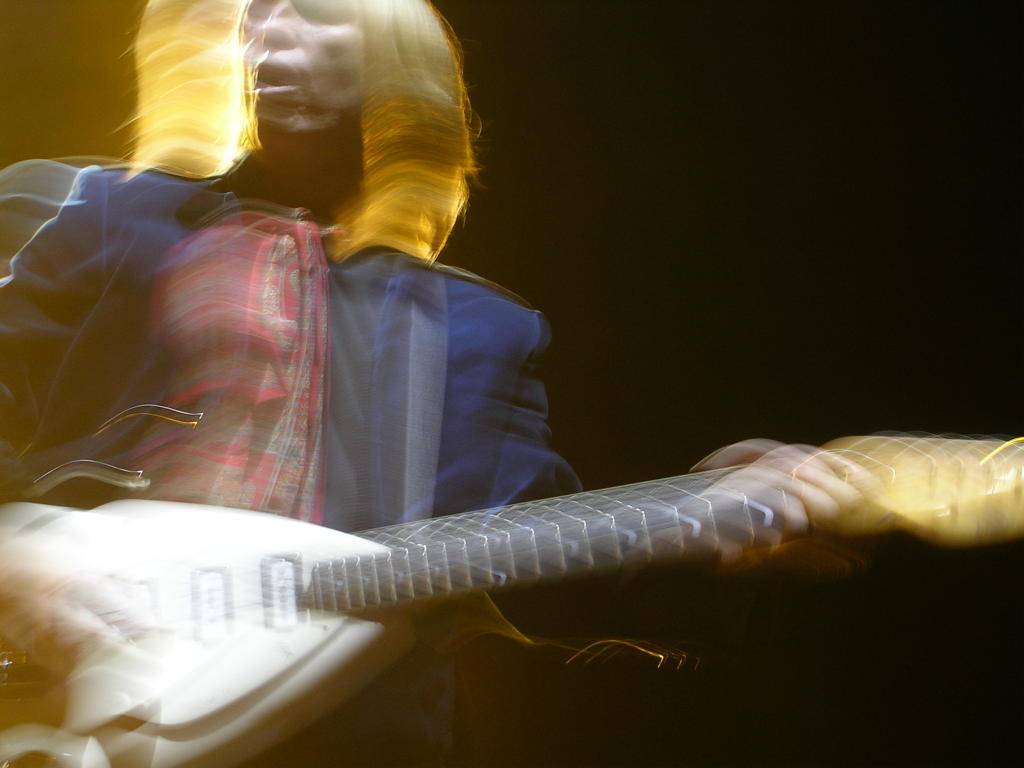
Tom Petty And The Heartbreakers @ Tweeter Center (7/15/2005)

"Even the losers get lucky sometimes"

And sometimes the luck turns bad. I was able to experience both sides of the coin at the Tweeter Center in Tinley Park, IL, just outside of Chicago. In their first appearance in two years since taking up residency at the Vic Theatre for a five night romp, Tom Petty and The Heartbreakers returned to a sold out Tweeter Center. As Petty annouced to the vast crowd of 30,000, "Tonight we have an All-American rock 'n' roll show."

Like most rock 'n' roll shows traffic shares a bit of the spotlight. For me, it had been over two years since I saw a show at the Tweeter Center. (My previous visit was for The Who, the first time I truly understood why so many concertgoers complained about the venue.) The hour wait to be parked at the back end of a field added to the stress held on reserve for the hour plus endurance fest I knew I would have to deal with when leaving. The waiting is the hardest part. Sound wasn't going to be an issue for me since I had the good fortune of being granted a photo pass for the show. I could only imagine how it would sound for the thousands on the lawn who are forced to deal with the pavilion's lousy configuration. I've watched shows from the lawn before, but The Who's 2002 show revealed to me how the pavilion's second level box seats traps so much of the sound. You would be better off sitting at home with a concert DVD. Amphitheaters like Alpine Valley in East Troy, Wisconsin and Shoreline Amphitheater in Mountain View, California have open pavilions that provide a strong sound and visual experience.

As my eyes glanced over the crowd from the photo pit, a sudden rush came over me. I was actually nervous about taking pictures in front of 30,000 people. It was strange. I told one of the photographers, a veteran and good aquaintance of mine, and he slightly laughed. I suppose when I begin to find reviewing or photographing concerts to be an absolute bore is when I lose my soul and become some bitter, old rock critic wrapped up in my personal record collection.


Tom Petty must wake up every morning thanking the powers that be that at his age he is at his utmost best. As classic a sound Tom Petty and The Heartbreakers have made for themselves, they have also maintained a level of excitement that has kept the band fresh on stage. Since original drummer Stan Lynch left the group in 1994 and the death of ex-bassist Howie Epstein in 2003, Tom Petty has managed to keep the ship steady.
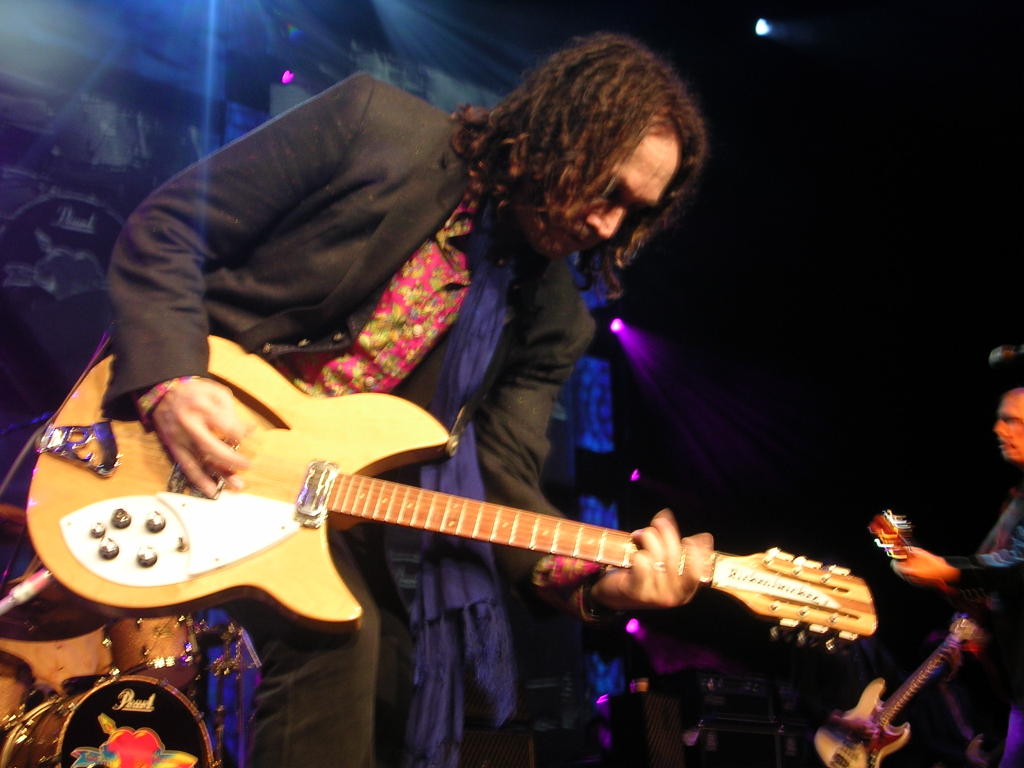


With current drummer Steve Ferrone, multi-instrumentalist Scott Thurston, and original bassist Ron Blair (whom Epstein replaced in 1982), the overall band was functioning like some seasoned race horse. To label the show as a run through the "greatest hits" would be fair but nothing negative. The first eight songs ranged between ten and thirty years old with the exception of a raunchy new song called "Turn This Car Around." The band's last studio release was 2002's The Last DJ, and nothing from that album got played in the mix. The breeze felt by the opening song "Listen To Her Heart" said all that needed to be said by the band: we love our songs. They are a band proud of their catalog and have no reservations about reaching back. Their modern day endeavors prior to The Last DJ--Petty's solo album Wildflowers (1994), the 1995 soundtrack to She's All That, Echo (1999)--have all been outstanding, each in their own way.

What was so evident as the band played on was how well Petty has a masterful handle on making the harmonies the song's primary hook. "Free Fallin'" and "I Won't Back Down" soared with their pristine Rickenbacker tones resonating throughout the night air. Then came some bad news. During "Last Dance With Mary Jane," a representative of Tweeter Center entered the photo pit to inform the photographers that they all had to exit. When I was told the news I was slightly confused, a feeling shared by each photographer as I read their faces in reaction to the new developments. We were all told that Tom Petty's photo policy encouraged photographers to shoot as much of the show as they would like, thus giving photographers the freedom to remain in the photo pit for the entire show. Generally, the standard photo policy for any band is photographers are allowed to shoot the first three songs of a set and then must leave. As I left the pit area at the end of the song, I wondered how I was going to review the concert if I couldn't see it. The photo pass was my only access since review passes were no longer available. Unless someone had a free ticket to the show I had no way back, either to the lawn area or pavilion.

I was told that it was tour management for Petty that made the decision to reverse their policy. I headed out to the parking lot, feeling cheated, as "Handle With Care" rocked on in the background. My emotions soon changed to concern about locating my parking spot since where I had parked had no lights of any kind to illuminate the cars.

After some searching and squinting in the darkness, I found my car, maneuvered carefully out of the tightly confined space, and watched the Tweeter Center fade in my rearviewmirror. I thought two things: I got to watch one of the most amazing bands closer than anyone in the crowd and that at any time, management can step in to say, "We changed our minds." But couldn't they have at least held off till after "Runnin' Down A Dream"?

Well, at the end of my night, I didn't burn Tom Petty albums.

*All Photos By: Chris Castaneda*

Tuesday, July 19, 2005

Play Or Nay


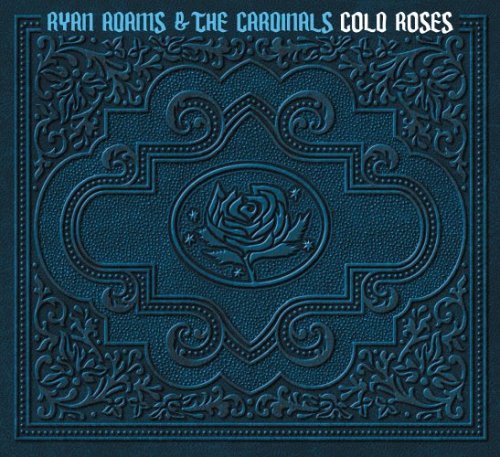
Ryan Adams & The Cardinals - Cold Roses (Lost Highway)

As a song title, "Sweet Illusions" really sums up the latest effort by Ryan Adams. What a sweet illusion his career has been from Whiskeytown to the present day, over eight years. He's been deemed a bad boy to a heart-on-his-sleeve songwriter. He is a musician of clear promise trapped by the walls of his own creation. On the double album Cold Roses, Adams laments from one song to the next without ever reaching for a new box of Kleenex.

Double albums always come with some dodgy turf. The excess of material tends to raise the argument that some songs could have been cut to make a more focused single album. Adams has had some trouble maintaining a tight aim since 2002's Demolition, a collection of unreleased demos. In 2003, Adams readied an album called Love Is Hell, but his record label told him to go back to the drawing board. Instead, Adams released the abysmal Rock N Roll--a jean jacket, amped up, blood, sweat and beer affair that came nowhere near its rock star diva persona. At the same time, Adams had his way by having Love Is Hell broken into two EPs, almost as if saying to listeners, "Here's what I really wanted to release but was told is wasn't good enough." Just last year the Love Is Hell EPs were released as a full album, and, according to Adams, Cold Roses will be the first of three releases Adams has in store for this year. Call it massive creative output or just clearing out the closet.

But Cold Roses is nothing more than a frigid album with very few moments of warmth. The second "Magnolia Mountain" begins disc one to the end of "Friends" on disc two there's never the sense of cohesion. Both albums run in a very stark, lackluster pace with Adams taking a slow drag with every word he sings. It's almost like Adams recorded the whole album on fifteen minutes of sleep. Over eighteen songs, Adams hits a redeemable note on "When Will You Come Back Home." Sure, it's still one song in a catalog of songs that deal with the same story: the brokenhearted soul yearning for the unattainable girl, drowning sorrows at the bar. Maybe that's forever Adams' forte as a songwriter. An album's worth of "When Will You Come Back Home" may not have made for a better album, but spreading the magic of that song across the rest of the album wouldn't have hurt.

Whether or not he'll ever expand his creative scope in the manner of which songwriters like Paul Westerberg, Jay Farrar and Jeff Tweedy have done in their careers--artists often said to be Adams' measuring stick--Adams remains at the end of the bar near the jukebox, close enough to select the usual tunes.

Wednesday, July 13, 2005

Extra! Extra! Mid-Year Delights

Oasis – Don’t Believe The Truth (Epic) – Since Jim immortalized me in his Oasis concert review I have to list this album just to spite him and continue our behind-closed-doors debate. I still don’t know who Jim DeRogatis is anymore.


Star Wars : Episode III – Revenge of the Sith (Sony Classical) – Who says an original motion picture score can’t stand along side a rock album? By far, John Williams’ finest work to date.


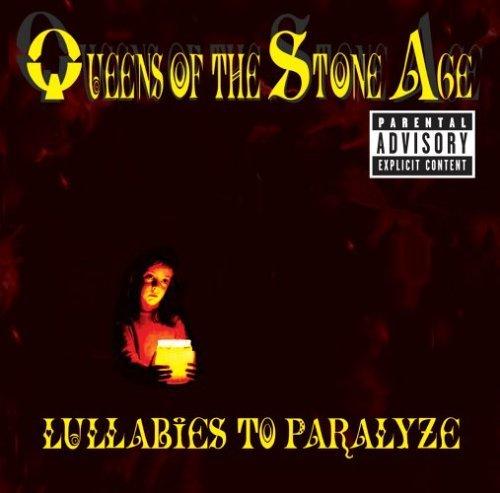
Queens of the Stone Age – Lullabies to Paralyze (Interscope Records) – There’s enough twists and turns to keep me wanting to hear more. “Long Slow Goodbye” is sinisterly smooth to the bone.


Son Volt – Okemah and the Melody Riot (Transmit Sound/Legacy) – Farrar makes his most energetic solo album under the Son Volt name. Farrar has nothing to prove but has a lot to say.


Garbage - Bleed Like Me (Geffen Records) - The album starts off by lifting lines from Foreigner's "Hot Blooded." I got the joke. Fortunately, the rest of the album wasn't.


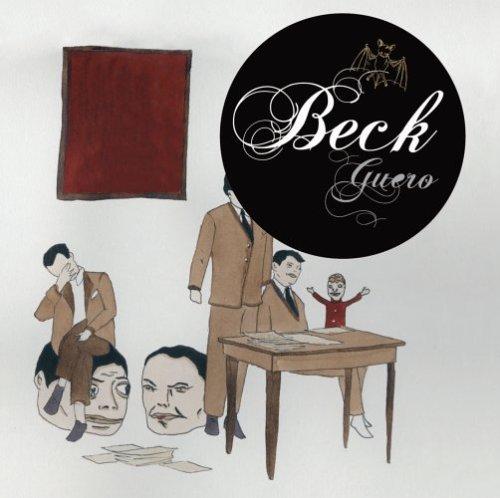
Beck - Guero (Interscope Records) - Listening to this album is like walking knee deep in mud and actually enjoying it.


The White Stripes - Get Behind Me Satan (V2 Records) - Oh my god! They can write songs that all don't sound like "Fell In Love With A Girl." Now, if only Jack can dump the shtick about Meg being his sister.


Doves – Some Cities (Capitol) – This other band from Manchester, England went for the straightforward approach and came up with gems like “Black and White Town” and “Ambition.”


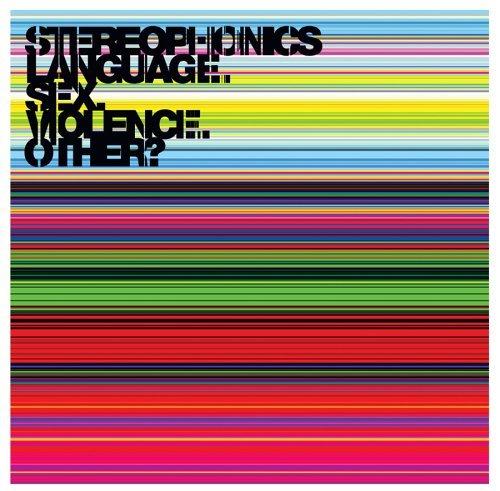
Stereophonics – Language. Sex. Violence. Other? (V2 Records) – The Black Crowes + Oasis = New Stereophonics Album. “Dakota” deserves to be among the summer’s best singles.


Coldplay – X&Y (Capitol) – I concede. Coldplay won me over with an album that is both daring and fresh, not to mention has Oasis’ Definitely Maybe to thank for even being made.


*The Sound Opinions crew have compiled lists of their best of the mid-year. My list is based on albums that are under my roof, bear the seal of 2005, and have been given more than one listen. To read the entire crew's list, check out the Sound Opinions site and click the "Best of 2005 (so far)" image.

Tuesday, July 12, 2005

Play Or Nay


Son Volt - Okemah And The Melody Of Riot (Transmit Sound/Legacy)

"Bandages & Scars" seems an appropriate title as the lead off track of the first Son Volt album in seven years. While the title may suggest the thumps Jay Farrar took from his former bandmates in reforming the band, it is just a small stroke to a larger painting Farrar is presenting.

It might be said that Jay Farrar and Son Volt are one in the same. How listeners distinguish between a solo effort and a band effort is by simply looking at whose name is on the album. That's all well and fine. But for some Son Volt fans, it's been a good wait since 1998's Wide Swing Tremolo. Original members Dave and Jim Boquist and Mike Heidorn, Farrar's drummer since Uncle Tupelo, took a pass on a new Son Volt album. What they have taken a pass on is an excited Farrar on an electric guitar with things to say.

The album's title references Woody Guthrie's hometown of Okemah, Oklahoma. The political consciousness of Guthrie seems to have rubbed off on Farrar; clearly evident in the line, "The words of Woody Guthrie ringing in my head." On "Jet Pilot," President George W. Bush and his father, former President George H. Bush Sr., take the blunt end of Farrar's pen. To say Farrar is soft with his criticism of President George W. Bush and the conflict in Iraq, that would be an understatment. "Endless War" voices the sentiment, "Still trying to understand/How another wrong makes a right." Farrar isn't suddenly stepping into the spotlight of political activist, but he is commenting as an individual, a citizen, a husband, and a father on the world he lives in.

It seems that Son Volt has opened a new chapter for Farrar. Okemah And The Melody Of Riot is the most potent collection of material from Farrar in recent years. "6 String Belief" and "Afterglow 61" capture Farrar's still burning fire for rock and roll and its optimism that it can carry in an age of cynicism. But it's the album's final moments that gives it a graceful conclusion. "World Waits For You" places Farrar at the piano. Its flowing soulfulness receives a boost from his gentle delivery which give it a romantic touch.

It is Farrar's newfound musicality that has brought a breath of fresh air to a band that has been dormant for seven years and a songwriter who hasn't lost sight of the bigger picture.

Monday, July 11, 2005

Thunderfingers. The Ox. Entwistle.

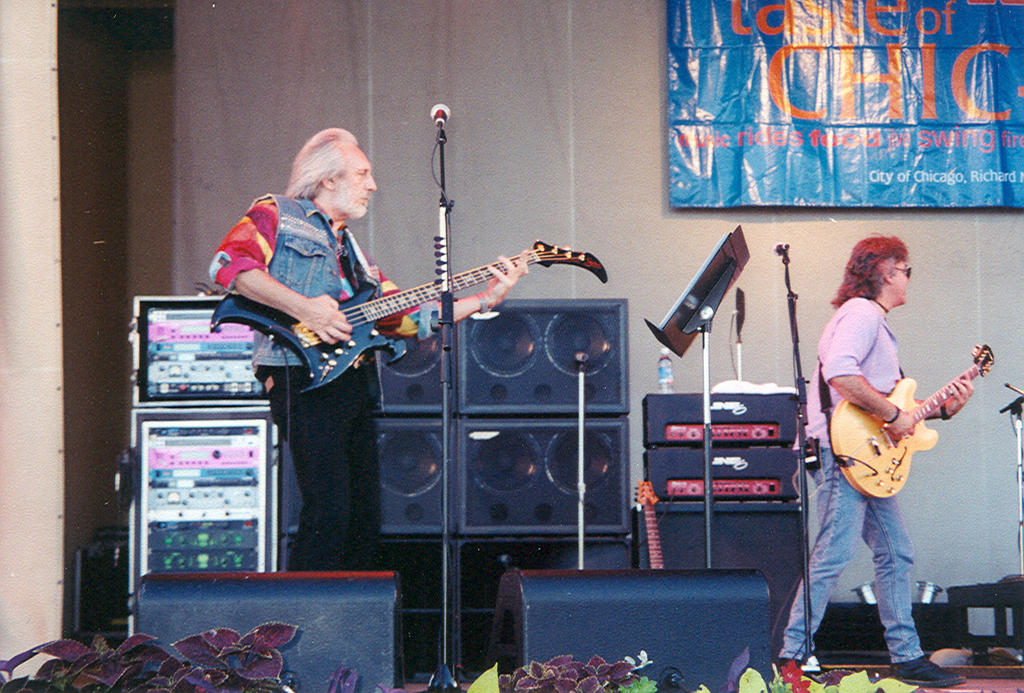
Taste of Chicago - July 5, 2001 (Photo By: Chris Castaneda)

It was one of those perfect Chicago summer days: the humidity wasn't too high, and the breeze from the lake front was just right.

One day after Wilco's successful headlining of the WXRT Free 4th of July concert at Grant Park, John Entwistle joined Alan Parsons, Ann Wilson of Heart, and Todd Rundgren for a Beatles tribute show titled "A Walk Down Abbey Road." The fact that the famed Who bassist was going to lay his fingers on songs penned by a peer group from the British Invasion of the 1960's was almost too irresistible to pass up.

Little did anyone know that almost a year later in a Las Vegas hotel room the 57-year-old Entwistle would be gone, dead from a heart attack attributed to cocaine. Like his former bandmate Keith Moon, who died in 1978 of a drug overdose, Entwistle's death was considered "accidental" by the medical examiner. Hearing the news made my knees buckle. Fans of The Who that remember the day they heard the news of Keith Moon's death probably felt the same way. All you can try to do it make sense of the whole situation. Here was a man, Entwistle, who was in the unique position as a musician of being in the absolute prime of his abilities. It's the rock 'n' roll mentality that the older you get the less you can capture the fire of your youth. For Entwistle, it didn't seem that hard to accomplish. His statue-esque presence on stage never altered, but his fingers always remained in a fury.

My introduction to The Who was when I was 15 and I rented the documentary The Kids Are Alright (1979). Whenever I went to the nearby video rental store I always headed towards the music video section. Once I decided I rented all their copies of R.E.M. videos one too many times, I randomly picked The Who mainly because of the original VHS box it came in. The image that struck me the most on the box was Pete Townshend--bearded, right fist in the air, legs spread apart while his left hand was squeezing some power chord. I knew not one Who song. But as I watched Townshend destroy his equipment and Moon thrash his drum kit to pieces during an appearance on a 1967 episode of The Smothers Brothers Comedy Hour I picked up my jaw from off my bedroom floor and popped my eyes back into their sockets. "My Generation" had just redefined everything I thought I knew about rock music up to that point. I went from wanting to be Peter Buck of R.E.M. to wanting to be Pete Townshend.

By the time of my 16th birthday, my father had bought me a copy of The Who's second rock opera, Quadrophenia (1973). He had ragged on me for playing too much Who in the house but stood by Quadrophenia as his favorite Who album (probably since he saw the band in 1973 at the International Amphitheater in Chicago). As part of my birthday breakfast, he allowed me the chance to play the album on his stereo. It was quite the honor back then to even touch my dad's stereo system. All he could talk about was how great a song "Punk And The Godfather" was and how the show he saw was amazing.

Taste of Chicago - July 5, 2001(Photo By: Chris Castaneda)

July 20, 1997--my dad got a phone call from a friend that had tickets for a show that he couldn't make and asked if my dad would be interested in going instead. I was called to the living room where my dad was conversing over the phone. "Do you want to see The Who? I can't go."

Oh my stars. I probably fumbled my words before I could finally say, "Yes." The Who were touring Quadrophenia and were performing that day at the beloved New World Music Theatre out in Tinley Park. I'm being slighty sarcastic about the venue, now called the Tweeter Center. It's rather hated by many for its horrendous sound as a venue. I didn't care at that moment though. Two tickets were offered to me. Now the only question was who would I go with? Well, that came easy. I asked the one friend who had his license already and a car. So, I called my friend and within 15 minutes we were off to experience The Who live. It's funny to think back to how those tickets sent our egos skyrocketing. Box seats. VIP parking. What more could two 16-year-olds ask for?

The show was incredible. Quadrophenia had been my soundtrack to being 16. To me, it summed up everything about being a teenager. Next to my personal favorite "I'm One" was the highlight performance of "5.15". Taking the spotlight was Entwistle and his gargantuan bass solo. From the second Roger Daltrey screamed out "Then I heard thunder," Entwistle stepped in and took over the song. I couldn't believe the speed of his fingers or the sound he created from his corner of the stage. You felt each note rattling your teeth.

I walked away from that show having felt I just saw one of the great rock bands ever still playing like they were one of the greats. Minus Keith Moon, I still felt the spirit of The Who was alive and well. I can still picture Townshend standing at the edge of the stage as "Who Are You" was rumbling to an end and seeing him launch his guitar straight up into the air. And I still remember the gentleman in the next box seat that did his best Keith Moon air drum impression throughout the entire show.

I would have the chance to see The Who one more time in 2000 at the Hollywood Bowl. When Entwistle returned to Chicago for the Beatles tribute in 2001, The Who continued talk of a new album and more touring. On that July day in Grant Park, Entwistle gave a weight to Beatles songs I never thought was possible. His performance with the tribute band made me wonder what he would have been like as the bassist for The Beatles. The dimensions he added to songs like "Day Tripper" and "The End" were a testament to the high level of musicianship he had immersed during his many years of performing.

On June 27, 2002, I took an acoustic guitar to a cafe I usually performed open-mic shows at to do a small tribute to the news that Entwistle died. I played what I knew off the top of my head: "Pinball Wizard," "I'm One," and "Baba O'Riley." Someone came up to me afterwards and thanked me for my set and pointed out the black armband he wore for Entwistle.

I had tickets to see The Who on their '02 tour for shows in Chicago and Indianapolis-Noblesville. Townshend and Daltrey marched on with the tour. I honestly didn't think they should have gone on with that tour. The Chicago performance, which made me realize why the Tweeter Center was detested, left me feeling unexcited but the following night down in Indianapolis--a show I almost missed due to missing an exit and near entry into Ohio--I saw a glimmer of The Who fire that gave me hope. The hope it gave me was that The Who name wasn't being soldiered on for the purpose of living up to the reputation of the name. Entwistle's absence was evident in each song. It's often said that the drummer is always the backbone to any band, but for The Who it was Entwistle. He was the pure musician of the band. Whenever Moon pounded every piece of his kit under 30 seconds or Townshend windmilled his solos, Entwistle kept some form of a foundation intact. He had a sixth sense when it came to Moon and Townshend.

Although I felt the '02 should never have happened I later reversed my opinion. On the eve of a major tour, The Who had to consider the people involved with the tour. There's that one lighting tech who may depend on the summer stint with the band to make ends meet. Probably much of their road crew had been with the band for many years and that's the only job they have for several months of the year. But the tour became a form of therapy. When John Lennon was killed people played Beatles music. When Freddie Mercury died Queen put on a tribute concert. For Who fans, they went to see The Who play Who songs.

Entwistle left a mark that was his own and can never be touched. The debate whether or not a band's name means anything anymore after an original member passes away will swing back and forth. Some say The Who stopped being The Who when Moon died, and some say as long as Townshend picks up a guitar The Who remain The Who. What can't be debated is Entwistle's contributions to the music. He was the constant, the guiding light, to a sound that made the Big Bang seem like a thundercracker on the 4th of July.

Friday, July 08, 2005

Extra! Extra!

The July issue of Chicago Innerview is now available on-line. This month's issue is a special edition covering the upcoming Lollapalooza and Intonation festivals.

I contributed a small write-up on Broken Social Scene, who will be performing as part of Pitchfork's Intonation Music Festival on July 16.

Wednesday, July 06, 2005

Play or Nay


Coldplay - X&Y (Capitol)

You know your band is doing something right when one of the most prestigious newspapers in America labels you as "the most insufferable band of the decade" when the actual decade is only at its halfway mark. That was the honor bestowed upon Coldplay by The New York Times, and all they did was make their third album.

All that measly third album did for Colplay was claim the #1 spot on Billboard for three weeks until a good, old country singer named George Strait brought the "yeehaw" back to America. Not only was this the band's first #1 album in America but it was also the first U.K. album to hold the position since Radiohead's 2000 album Kid A. When it means more to be a global sensation in the blink of an eye than having a career, Coldplay have proven they are much more than pretenders who happened to get lucky with a song called "Yellow." Like Radiohead's "Creep," "Yellow" immediately became synonymous with Coldplay's identity as a band. People knew the band from the song. So far, Coldplay's run has in many ways mirrored Radiohead's early three album run. Coldplay's Parachutes (2000) was like a toe in the water. The follow up A Rush Of Blood To The Head (2002) was the full-body plunge that brought even more success with songs like "The Scientist," "In My Place," and "God Put A Smile Upon Your Face." The creative growth and intense focus to make solid albums from start to finish was unmistakable.

Radiohead's Ok Computer (1997) didn't reinvent the wheel of music, it shed the band's former skin and almost gave them a new body. For Coldplay, X&Y does the same job. Already one of the most identifible voices in music, singer Chris Martin and his falsetto delivery soothe with some edge. On the title track "X&Y," Martin floats through movements that echo the quiet menace of Pink Floyd's Roger Waters and the soulful ease of U2's Bono. Jon Buckland accentuates Martin's vocal with some fine guitar work, exploring tonal landscapes without overreaching his abilities. Bassist Guy Berryman and drummer Will Champion propel the band like a steady Krautrock freight train on a level track, but the grooves are never absent. "Square One" has the air of a police stakeout. Berryman and Champion create the sound of the hunt. "Talk" shares credits with Kraftwerk's "Computer Love" and Brian Eno, pioneer of ambient music, lends his services on "White Shadows." Looking towards the likes of Kraftwerk and Eno to give the right touch to their songs demonstrates Coldplay's outward thinking to their music, not allowing themselves to be pegged solely as one type of band.

If this is the sound of a maturing, artistically self-challenging band with ambitious ideas, then being declared "the most insufferable band of the decade" isn't so bad afterall.

Saturday, July 02, 2005

Quote Me


Liam Gallagher @ UIC Pavilion 6/20/2005 (Photo By: Chris Castaneda)

Today, ten concerts will take place in nine different countries as part of the Live 8 benefit. One hundred artists will perform in an effort to grab the attention of the Group of Eight (G8)--a group consisting of the top eight industralized nations in the world. Leaders from the United States, United Kingdom, France, Russia, Japan, Germany, Italy, and Canada are being pressured to cancel Africa's debt and increase aid to combat the grave plight Africa faces day to day.

Organized by Bob Geldof, the mastermind behind 1985's Live Aid benefit, Live 8 comes four days before the G8 summit in Scotland. So, what do Liam and Noel Gallagher of Oasis have to do with the benefit? Absolutely nothing. The benefit is already a buzz due to the reunion of Pink Floyd and its lineup brings together many of music's top artists (R.E.M., Paul McCartney, Coldplay, Green Day, U2). Oasis received criticism for not participating with Live 8 but already had a scheduled concert in Manchester on July 2 before the benefit was even announced. Leave it to Liam and Noel to offer up some noteworthy quotes.

Liam to ChartAttack:

"If we were free we'd be there man. And I am a bit disappointed, but that's life man. Our shows were booked. And I had a word with management the other day, and I said, 'Look, I feel a bit guilty.' Everyone's down there doing all this, know what I mean? We're down the road doing our thing. A little bit of guilt kicked in. I thought maybe we should fucking book... then it's 60,000 kids disappointed.

But if we weren't doing a gig that day we'd have been there without a doubt. And I'd love to. Y'know why I'd love to do that gig? First of all, it's fucking awareness and all that stuff...I just love to go on and do four fucking songs and really fucking rip it up. Come in and fucking bang it with fuckin' four of your classics. And walk off. And fucking flick Robbie Williams in the eye and say 'Follow that you dick!'"


Noel Gallagher @ UIC Pavilion 6/20/2005 (Photo By: Chris Castaneda)

Noel to The Observer:

"I'm not sure about this Live 8 thing. Correct me if I am wrong, but are they hoping that one of these guys from the G8 is on a quick 15-minute break at Gleneagles and sees Annie Lennox singing 'Sweet Dreams' and thinks, 'Fuck me, she might have a point there, you know.' It's not going to fucking happen, is it? Keane doing 'Somewhere Only We Know' and some Japanese businessman going: 'Aw, look at him ... we should really fuckin' drop that debt, you know.' It's not going to happen, is it?"

Noel to the NME:

"If it was possible, it would be nice to take part...It's the general thing that rock stars should be doing something to fucking sort this out. And it's like, 'Well, all right, that's what (U2's) Bono and (Coldplay's) Chris Martin are for.' I don't like the way that somebody suddenly decides that all the bands in England are going to fuckin' play and everybody jumps to attention."

Friday, July 01, 2005

Not Just A Hole In The Wall


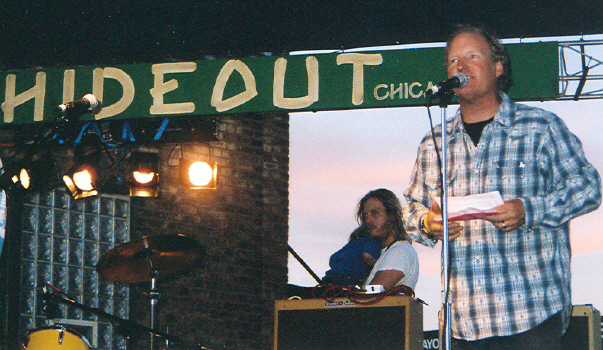
Co-owner Tim Tuten of the Hideout (Photo By: Chris Castaneda)

It's interesting how bars and clubs become these grand institutions within a music community. To the neighbors of such places, they can sometimes be thought of as eye sores. For those patrons who earn the distinguished rank of the "regular," they are shrines; home away from home, special haunts where their favorite beer is served or music can be frequently heard. One such local Chicago filling station is the Hideout.

Growing up on the South Side of Chicago, there weren't many options as a 13-year-old to hang out and hear live music. At that time I was still a mallrat with my ragtag group of friends, walking the streets of Calumet City believing the same purpose we all shared in our heads: that we were going to have boundless fun, that our Friday night was going to mean something. I longed for the day I could venture out more often to venues like Lounge Ax, Metro, and Schubas. They were these mythic establishments that I would only hear about on the radio or read about in the newspapers.

Going to DePaul and being surrounded by Lincoln Park was like launching into space and landing on Jupiter. Suddenly I was in arms reach of the music that always vibrated everywhere else but where I lived. I never really felt the restraints of my pre-21 years. I had my choices of all ages or 18 and over concerts, and I still worked my dream job at a record store in Calumet City called Hegewisch Records. Life was fine. I never owned a fake ID. I didn't feel that rush to exceed my age. But a concert here and there would cause a knee jerk reaction. In 2000, I actually considered growing a beard just to see if I could gain access to a 21 and over show by Jeff Tweedy of Wilco at Park West. That was probably the only time I ever felt desperate about not being 21.


Pine Valley Cosmonauts 9/26/2004 (Photo By: Chris Castaneda)

After December 1, 2001, I was official and the city was open to me. My very close friend, a compatriot from my grammar school and high school days, turned 21 days after me on New Year's Eve. Our major night out as 21-year-olds was to this bar he heard often about in the Chicago Reader. We got directions and ventured off into the night. As we exited onto North Ave. off the Kennedy Expressway, we both reacted to the industrail flavor of the neighborhood. By industrial, I'm not talking Gothic children of the night wandering about and rows of leather bars pumping out Joy Division. We essentially travelled from one dilapidated steel mill neighborhood to another. As he slowly drove us past the Hideout, we both looked at each other and said, "This is it?"

Almost with a deep breath, we took those steps towards the bar probably wondering what we just got ourselves into. The building looked like something from another era but with an Old Style sign hanging over the door. It all evoked this sensation you might have when visiting the grandparents on Thanksgiving or some holiday.


Bobby Bare Jr. 9/26/2004 (Photo By: Chris Castaneda)

But something happened as we walked into the bar. Maybe it was the Christmas lights that hung from the ceiling and around the bar. Or maybe it was the balance of chatter and music that just felt right. It had that blue collar charm of home but it wasn't our home. My friend and I turned and smiled at each other, giving a nod in agreement as if saying, "Ok, this ain't bad." We had chosen our escape.

Fast forward to November of 2002 when I had just seen the Swedish sensation known as the Soundtrack of Our Lives at Metro. Afterwards, I was able to meet three of the six members: Ebbot Lundberg, Ian Person, and Mattias Barjed. My interview with the band's lead singer, Lundberg, had just come out in The DePaulia days before the show. So, it was an obvious thrill to meet the tunic wearing, Shaman-esque singer. While chatting with Person about how the band's tour supporting Oasis went, he invited me to tagalong to the Gingerman Tavern, next door to Metro.

As I entered, I noticed someone sitting at one of the tables in the bar. It happened to be Tim Tutuen, co-owner of the Hideout. In a September article in The DePaulia, I was asked to do a Top-5 Clubs list as a sidebar to an article I had done about the overlooked local band called Verbow. Ranked #2 on my list of local clubs was the Hideout. When the article was published I e-mailed Tuten to let him know that our newspaper mentioned the club. Still very fresh in my rock critic shoes, I didn't expect much of a response back over a college newspaper writing a small blurb about a club, but I got one. Tuten wrote probably one of the nicest responses I had ever gotten from anyone who read my work. I still have it saved in my inbox of my e-mail.


Mocca Pazza Red Moon Marching Band 9/25/2004 (Photo By: Chris Castaneda)

Tuten and I would bump into each other now and then, usually at the Hideout or while in the company of Greg Kot (Chicago Tribune) and Jim DeRogatis (Chicago Sun-Times), my rock critic Zen masters who befriended me early on in my journalistic adventures.

It wasn't until the Hideout's 8th annual Block Party in the fall of 2004 that I truly understood what makes the Hideout the unique club that it is. This wouldn't be the first time I attended the Block Party. I talked my original Hideout companion to come with me to check out Guided By Voices headline a day. For the recent incarnation of the fest, Tuten granted me the best VIP press pass that I don't think will ever be beaten. Being a fellow fan of Paul Weller and The Jam, Tuten had some fun with the pass, which was just an e-mail with big bold letters. I plan on getting it framed one day:

HIDEOUT BLOCK PARTY
2004
VIP PRESS PASS FOR
CHRIS
ALL-ACCESS
ALL DAYS
ALL THE MOD CONS


Marah 9/24/2004 (Photo By: Chris Castaneda)

During the course of September 24-26, the Hideout Block Party drew between 4,500-5,000 attendees. "I slept fifteen hours in three days," said Katie Tuten, wife to Tim and also co-owner of the Hideout. Next to the tasty variety of the twenty-nine band lineup were the notable not-for-profit organizations that received a kind, lending hand from the club. The $14,238.58 raised by the Hideout during the three day fest went towards the charities of CAUSES/Play, Literacy Works, and Tuesday's Child.

Each day I was there had a different vibe. Roaming around behind the main stage I could see there was a real communal sense among the bands and people involved with the fest. The genres of music mixed together on one bill was astounding. For the headliners of the second night, Mouse on Mars, Tim had to clarify to the German group, undertaking their first tour of North America, that the Block Party wasn't some Midwestern ho-down surrounded by cows and barns. On the third day, Bloodshot Records, one of the most venerated Chicago labels, was honored for its tenth anniversary by being given the last day of the Block Party to showcase some of the labels fine acts such as Split Lip Rayfield, the Pine Valley Cosmonauts, and Bobby Bare Jr.


Strong Numbers For Mouse On Mars 9/25/2004 (Photo By: Chris Castaneda)

"It is a lot of work, but we always have a good time," said Katie Tuten. They most certainly do.


Drummer Dodo Nkishi & Jan St. Werner of Mouse On Mars (Photo By: Chris Castaneda)

On the outside, the Hideout looks like your average bar with that slight touch of "dive bar" aura surrounding it, but it's the people inside that make it more than ordinary. It's all about the intangibles when it comes to making a bar or a club extraordinary. There's a reason why five years later people still talk about Lounge Ax as if it were a Chicago legend. We talk about these buildings made of brick as if they were family members, both with their good and bad qualities. Deep down we still love them.

Tim and Katie Tuten and everyone associated with the Hideout have good reason to be proud of their little shack on W. Wabansia St. They are a reminder that heart and soul will always outlive flash and gloss.

Thursday, June 23, 2005

Wired NextMusic @ Vic Theatre (6/22/2005)


WIRED magazine gave the public a preview to their 2005 "NextFest" at the Vic Theatre last night. Chosen by WIRED to curate the "NextMusic" event was Jeff Tweedy of Wilco. The show mixed a taste of the gadgetry to be expected at the fair, which begins Saturday and runs till Sunday at Navy Pier, but also an evening of music that Tweedy organized.

It made sense when WIRED announced Tweedy as the curator of their launch party being that the magazine is aimed towards innovation and the future. The very essence of Wilco's career has been about the next step, breaking the rules, and ignoring boundaries. At the magazine's 2003 Rave Awards, Wilco's 2002 album Yankee Hotel Foxtrot earned the award for "Best Musician." It was clear that WIRED recognized something in Wilco that fit with their own reputation. But what did they think Tweedy had in store for them when it came time to put the show together?

Technology can be a blessing or a curse to music. Remember the overblown use of synthesizers in the early 1980's? Funny how things come full circle in 2005. What Tweedy and company have managed to do is what the really great bands figure out at some point in their careers--they explore the studio technology far enough to open new doors for their music, giving their art fresh life. The key to music's future will not be the lastest multi-track studio or digital sound systems. Instead, it will be the most basic human elements that no computer could possibly touch with a microprocessor. In Tweedy's words, "Great melodies and great songs."

And so Tweedy picked two artists that were the most removed from the computer age: harpist Joanna Newsom and The Handsome Family. Ok, so The Handsome Family had a laptop computer on stage with them. The extent of its use was to just provide a backing beat.

The billing must have rattled the brain of some attending the show. Juxtaposed to Tweedy's show was the work of a Northwestern University graduate student. The premise behind the visual project was allowing a computer the chance to experience music the way humans do. In our minds, we can paint our imagination the the words and sounds of the music we hear. Using songs by artists like Wilco, The Shins, Bright Eyes, Postal Service, and Radiohead, the computer compiled all the information available (artist, song title, lyrics), searched for random images it associated with key words in the songs, and projected its interpretation of the songs on a video screen located on stage. "It's like Power Point," joked a woman in the crowd. Her very blunt observation didn't seem unwarranted as the computer's selection of images repeated themselves during the songs.


Space & Time: Jeff Tweedy @ Vic Theatre 6/12/2004 (Photo By: Chris Castaneda)

A harp, an acoustic guitar, a banjo, and a harmonica. These were the instruments to humanity's future in the mind of Tweedy but maybe not so much the future WIRED had in mind to put on display. Curator Thom Yorke for the 2006 "NextFest"?

Clearly it wasn't a farce performed by Tweedy on the good people of WIRED, but you had to wonder what they must have thought when roadies brought out a harp after a computer just shared with a crowd what it visually thought of a Shins song. As far as the overall show went, Tweedy succeeded in arranging a show that truly was innovating in its own way. The Handsome Family sang songs about drowning and the pro-coyote takeover of society, while the pixie-like Joanna Newsom made the Vic Theatre her own secret forrest.

As the former co-owner and talent buyer for the long demised and much beloved Lounge Ax, Tweedy's wife, Sue Miller, would have been proud of the show her husband put together. Hey Jeff, harps on the next Wilco record?

Tuesday, June 21, 2005

Oasis @ UIC Pavilion (6/20/2005)


The Man With The Masterplan: Noel Gallagher of Oasis (Photo By: Chris Castaneda)

"Oasis have always been at their best when they didn't give a fuck."

That remark serves as an introduction to the latest Oasis tour program. What it should probably say is, "Liam and Noel Gallagher have always been at their best when they didn't give a fuck." The main message behind the program is that Oasis have been reborn. This has been the main message for the past five years since 2000's Standing On The Shoulders Of Giants. With their sixth album Don't Believe The Truth debuting at #12 on Billboard (the band's highest debut on U.S. charts since 1998's Be Here Now), their largest U.S. tour in seven years highlighted by a sold-out date at Madison Square Garden, and brothers Gallagher already at each other's nerves a month into their current tour, Oasis seem to be up to their old tricks during their best success in years.

Before returning to Chicago for a sold-out show at the UIC Pavilion, fans in Italy and Belgium had the unfortunate opportunity to be in the same room during classic Oasis stage drama. It was reported that during a June 4th stop in Brussels a displeased Noel Gallagher lectured his younger brother, singer Liam, in-between songs which later led to Liam's exit. Just a week later at the Heineken Jammin' Festival in Imola, Italy, Liam departed during "Champagne Supernova" and left it to Noel to keep the show together. Both times Liam left the shows fans described his demeanor on stage as drunk.

"I carry madness everywhere I go," sang a snarling Liam as Oasis lit up the stage while their Chicago-Anglophile worshipping contingent bathed in the glow of "Turn Up The Sun." After recent events and past tour sins, that opening line really captured the stormy cloud of uncertainty that follows Oasis from album to album, tour to tour. The band stacked up seven songs from Don't Believe The Truth in their primary set while past glories from 1994's debut Definitely Maybe and 1995's (What's The Story) Morning Glory? filled out the rest of the show. Liam did his usual stroll around the stage when his presence wasn't required at the microphone or took a seat off to the side of the stage when it was Noel's turn to lead in song. Liam was in a chatty mode but whatever that was said was most likely lost to the rest of the crowd as it indiscernibly echoed out to every corner of the venue.


(Photo By: Chris Castaneda)

The band's Spinal Tap luck with drummers continues as the offspring of Beatles drummer Ringo Starr, Zak Starkey, took to the kit, replacing longtime drummer Alan White. Starkey has been The Who's drummer since 1996 and joined Oasis after White was asked to leave by the band in January 2004 while recording sessions were underway for a new album. Starkey made his debut with Oasis on June 23, 2004 at the Poole Lighthouse in England. Bringing his own kind of flare to the band, Starkey attacked the songs with a furious excitement. Guitarist Gem Archer (Heavy Stereo) and bassist Andy Bell (Ride) have filled into their roles since being brought into the whirlwind world of Oasis over 4 years ago. Then there was Noel Gallagher, still a performer of very little steps during a song, who was almost at a distance as if making sure the ship was being steered in the right direction.


Liam Gallagher (Photo By: Chris Castaneda)

The band's live performances are often criticized for its lackluster attempt to "mach shau," to make a show for the crowd. Nowhere does it say bands need to give blood on stage or set themselves on fire to provide entertainment. But fans are smart enough to detect when a band is bored with their songs. As amped up arena stompers like "Cigarettes & Alcohol" and "A Bell Will Ring" pounded with volume, the energy behind them felt almost precise with little sense of adventure. The Gallaghers alone have never been an easy read. What sweat they do work up during a song could either come from them giving it their all or trying to keep up.

If there were any moments that gave the evening a taste of something different to an Oasis show, they were Noel Gallagher's sung "The Importance Of Being Idle" and "Mucky Fingers" from Don't Believe The Truth. "Mucky Fingers" was the Dylan-pop friendly take on the Velvet Underground's "I'm Waiting For The Man" while the mid-tempo breeze of "The Importance Of Being Idle" scored with an element that has been missing in their creative output over the years: melody.


Gem Archer (Photo By: Chris Castaneda)


The rest of the show fell back on the band's classics like "Champagne Supernova," "Wonderwall," and "Don't Look Back In Anger." To say it was the kind of setlist that covers the band's catalog would be a lie--any material from the band's third album Be Here Now was a no show as if in Noel Gallagher's mind it was an album that some other band made, not Oasis.

Liam's voice never wavered, and Noel never lectured his singing brother. Musically, each member was the best at what he did and made the band as solid as a wall, but the bricks that have made this wall what it is today, the songs, still haven't come in any new shape. As St. Liam stepped towards the edge of the stage balancing his tamborine on top of his head during the end of "Rock 'N' Roll Star," you almost knew that all the overbearing self-assurance and self-righteousness in his mind about Oasis was still strong.


Madferit In Chicago (Photo By: Chris Castaneda)

For the fans who packed the UIC Pavilion, Oasis' largest headlining show in Chicago since 1998's Rosemont Horizon date, they applauded every note and every word the band produced. Whether or not a few fans whole-heartedly accepted the truth Oasis was singing about, it couldn't be heard over the roar.

When asked if it was worth the wait to hang out by the band's tour buses for a possible autograph a security guard replied, "There's two after parties. They're getting fucked up. Shows you how much they give a fuck about their fans." Perhaps that's the average assessment of Oasis today. Maybe that's what broke the backs of fans who gave their time and money to this band at the height of the popularity almost ten years ago. But the measure of appreciation for their fans isn't how many autographs they sign or how available they make themselves to others, it rests on the shoulders of their music.

In a 2002 special edition of the English magazine Q, a list was compiled of the Top-50 Oasis fan favorites. It's kind of telling that the #2 choice, "Acquiesce" (a B-side), was described as, "one of Noel's greatest songs because it's one that borrows least from The Beatles, or from anyone." To some fans that have stuck with the band this far into their career, through lineup changes, cancelled shows, breakup rumors, and overblown arguments between brothers, they may still be waiting for Oasis to make a real Oasis song for a change. The sold-out crowd inside the pavilion still begged the question: has the image of Oasis overshadowed the music? Is America missing something that the United Kingdom knows about Oasis? Or is America just quick to say, "Enough is enough," when its heard one too many songs that sound the same?

The music should always be the focus; not the tired, old antics of two brothers in a band.

Friday, June 17, 2005

A Calm Center, A Growing Circle


Wilco In Stride: (l to r) Pat Sansone, Glenn Kotche, Mikael Jorgensen, Nels Cline, Jeff Tweedy, and John Stirratt

The year has reached its half way mark and Wilco are riding a momentum that perhaps no one could have imagined. In a career where artistic success is measured much higher than commercial accolades, Wilco seem to have finally become an over night success story during an age where over night success is almost an expectation placed on the shoulders of bands by the record industry.

"I'm a Grammy award winning artist," said singer/songwriter Jeff Tweedy during a benefit show in Chicago just this past March. "Very weird." It definitely is new turf for Tweedy, the primary architect of Wilco. A month prior to his solo show at the Vic Theatre for the Kawasaki Disease Benefit fund the group received two Grammy nominations for their fifth album A Ghost Is Born. They were previously nominated in 1999 for the Woody Guthrie project Mermaid Avenue with partner Billy Bragg. This year's Grammys saw Wilco sharing the "Best Alternative Album" category with veterans like Bjork and PJ Harvey along with buzz groups Franz Ferdinand and Modest Mouse. Wilco walked away with the prize as well as in the "Best Recording Package" category.

Some may argue that it was the Recording Industry Association of America's (RIAA) way of making up for the zero nominations Wilco's 2002 album Yankee Hotel Foxtrot received. It's not like it hasn't happened before in the history of the Grammys. Metallica was considered a lock for the 1988 Grammys in the category of "Best Hard Rock/Metal Performance Vocal or Instrumental." To their shock and even the victors of the category, Jethro Tull landed the Grammy win. But the next year Metallica was given the award for "Best Metal Performance." The refusal by Wilco's former label Reprise Records to release Yankee Hotel Foxtrot made it the most talked about album of the year. It was not only thought of as Wilco's masterpiece but also as one of the best albums deserving of recognition. The album recently became the band's first Gold album (500,000 copies). Not bad for an album that spent almost a year on the Internet download circuit before finally achieving an official release with Nonesuch Records.

Down time seems to be few and far between for Wilco and its members. Now in a more comfortable position, Wilco could afford to take a year off from performances, but just when you think they've played their final note they come back with additional shows. There's almost a sense that there is an awareness among the band that their window of opportunity, artistically and commerically, could very well close at any moment. So, it's in their best interests to enjoy what they have now while not being blind to the bigger picture that Wilco can not last forever as a band.

During his first of two solo shows in Chicago since a trio of shows in January of 2003, Jeff Tweedy lent his services and his songbook to assist the Children's Memorial Hospital in early March. The benefit for the Kawasaki Disease fund at the Vic Theatre carried a heavy connection to Tweedy and his family. His oldest son, Spencer, was treated for the heart disease. The average child's age treated by Children's Memorial for the disease is 20 months. Begun in 1985, the Kawasaki fund earned $45,000 from Tweedy's performance. According to a representative from the Children's Memorial Foundation, James Lynch, "A great majority of the funds will be used for supplies and equipment in the lab that is working to find the cause for Kawasaki disease."

The two nights at the Vic Theatre was in many ways a stroll down memory lane for Tweedy and fans. After performing his Uncle Tupelo contribution "Gun" on the second night, Tweedy remarked, "Geez, that song's like 12 years, 13-years-old now." The body of work he has accumulated over the years amazed even Tweedy. It was like watching Tweedy not as the performer but as the fan. From the innocence of "Pecan Pie" to the seasoned heart of "Wishful Thinking," Tweedy laid out the true portrait of the artist.

In the first week of May, Wilco returned to the Vic Theatre with director Sam Jones to film four consecutive nights for a concert film. Reunited with Jones--director of the Wilco documentary I Am Trying To Break Your Heart (2002)--Wilco bashed out a total of 121 songs over the four nights. Each night had their little unique moments like Tweedy revealing his nicotine patch on the second night to prove he had given up smoking and a stage diving Tweedy on the final night. Whether or not the cameras caught the magic of this current lineup on stage will be made clear upon its release as a DVD/CD package in the fall.

So far, the year has been good to Wilco. Since being treated for his dual diagnois condition over a year ago, Tweedy has remained in healthy spirits and it shows within the band. Fans anxiously await for new material to begin creeping into the band's setlists as possible glimpses of their next album. It's unthinkable what this band could do to excel past the accomplishments they have achieved thus far, but you never know with Wilco.

Sunday, June 12, 2005

The Futureheads @ Metro (6/10/2005)


Full Steam Ahead At Metro: (l to r) Ross Millard and Dave Hyde of The Futureheads (Photo By: Chris Castaneda)

There was a buzz inside Metro that you could almost touch with your fingers. For the Futureheads, a return to Chicago meant proving themselves, again, but this time it would be on the stage of one of Chicago's most prominent club where bands such as R.E.M., Nirvana, the Smahing Pumpkins, Oasis, and Pearl Jam made their marks early in their careers. Now it was time for the Futureheads to either carve out a niche for themselves, laying the seeds of a promising career, or be forever trapped by hype.

With names like XTC and the Jam already being associated with this band, the Futureheads attracted an all ages crowd that in strong numbers filled Metro. To an average person in the crowd, whether or not the Futureheads were the next Jam might not have really mattered. What did was this band from Sunderland, England that just blew a gust of sound like some explosion going off on stage. The opening song, "Decent Days And Nights," was an earthquake of shifts and shakes, something that really defines the style of play the band creates on stage. The band mixed up their self-titled debut album which kept the energy level of the crowd on a high. Bassist Jaff and drummer Dave Hyde were interlocked the whole night. Next to the band's extraordinary tightness was their vocal attack. The call and return movements that singer/guitarist Barry Hyde (older brother of Dave) shared with guitarist Ross Millard, and sometimes the whole band, were aggressively melodic--reminiscent of the vocal tag team of the Jam's Paul Weller and Bruce Foxton.

"Robot" and "Trying Not To Think About Time" rattled the crowd with its several spastic twists. There was nothing linear to the band's songs. Each instrument, be it vocals or guitars, took the crowd into ten different directions that all led back to same destination. The confidence the band performed with was equal to their humble nature, constantly thanking the crowd for their support. All the praise and recognition that they have gained thus far doesn't appear to have gone to their heads.

A moment where the band had to stand back and soak in the night occurred with the song "He Knows." What could have been another crowd participation opportunity turned into something very genuine, which the band highly enjoyed. After the song, the crowd began singing back the simple chant of "Ohh" that band had haromized during the song. What began small in spots took over the entire club. It must have made the band feel like they were back at one of their local English pubs. If there were ever a clearer picture of how much the crowd was hanging on every note the band played, it was right then and there.

From the insecurities of "Hounds Of Love" to the rawness of a new song "Area," the Futureheads passionately proved how wide of a range their songs and sound have. Behind the manic delivery was a joyfulness that served as the bridge between the band and the crowd. It was about having fun on a Friday night. It was far more than just a decent night for the Futureheads.

Thursday, May 26, 2005

Louis XIV @ Metro (5/25/2005)


Louis XIV: Same Old Song & Glam

The recently remodeled Rock 'N' Roll McDonald's in downtown Chicago has a lot in common with Louis XIV--they both have more to do with appearances and less to do with rock 'n' roll. To even consider the original Rock 'N' Roll McDonald's as rocking is saying something. A #2 Combo Meal (two cheeseburgers) with a #5 Combo Meal (10-piece McNuggets) equalled the cost of one ticket to Louis XIV's all-ages concert at Metro. It begged the question: which of the two were the better choice?

The room was packed inside Metro. Early in the week, Metro and Jam Productions sent out e-mails to people on their individual mailing lists with complimentary passes to the show. So, had the free passes not been provided, perhaps the show would never have reached full capacity. That probably wouldn't have mattered to the San Diego band. Louis XIV walked onto stage with swagger in their steps as if already in their minds thinking what a privilege it was for the crowd to have them come play songs. Seeing the four members in their stylishly knitted threads it's understandable why they would be chosen to share an upcoming bill with current hype band the Killers.

Spreading out material from their major label release The Best Little Secrets Are Kept, Louis XIV gave all the more reason why there should be a moratorium placed on the garage rock revival. No rock band has a hold on originality, but now and then there's a band that provides a different twist on an old trick. All the eyeliner and faux English accents will never take the place for a good song. Hamming it up to the crowd every chance they could, Louis XIV dished out song after song that seemed only to act as a slight variation of the previously performed song. "Pledge of Allegiance" shimmied and shaked to no great heights. "The Hunt" was a poor attempt to flex the band's musicianship to the crowd by proving they could branch out into something that wouldn't even pass for Delta blues.

The hype is terribly misplaced on Louis XIV. Sure, dumb rock songs will never fade away, but the really good, absurd crowd pleasers trip upon some sort of hook that give them feet to stand on. For all the flash that bands like the Darkness or Franz Ferdinand have, they at least back it up with alluring hooks.

The lone highlight of the night came from Chicago's own Caviar who opened the show with fellow locals Ladies And Gentlemen. Lead singer Blake Smith told the crowd that Caviar tried to think of a cover song that was long enough to fill the rest of their set and, so, without a care in the world the band took the Who's 1966 mini-rock opera "A Quick One, While He's Away" out for a run. In the hands of Caviar, the song melted with raw energy. Its free, unrelenting attitude--in front of a crowd that probably never once heard a song by Pete Townshend--made it the epitome of punk and for that moment created something real on stage.

In the end, the french fries weren't too bad.

Monday, May 23, 2005

My Pop Culture Comment


Bridging the Saga - Star Wars: Episode III - Revenge of the Sith

The waiting was over. The lights when down in the theater, a hush fell over the audience, and those famous words in blue that have touched the lives of different generations appeared on the screen. On May 19, the final installment of the Star Wars prequel trilogy opened to the public at midnight screenings across the country. Star Wars: Episode III - Revenge of the Sith brings to light how Anakin Skywalker finally slips into the well of the Dark Side of the Force to become the iconic masked villian, Darth Vader.

Weekend box office figures and broken records aside, how does this movie rate not only as the end of the prequel trilogy but as the last piece to the Star Wars puzzle? Technology can never replace story. Creator George Lucas set that precedent with the original Star Wars Trilogy. Although technology has caught up to Lucas and his filmmaking vision it has been the quality of storytelling that many have criticized him for with the prequel trilogy, myself included.

I remember seeing Return of the Jedi (1983) at the River Oaks Theater in Calumet City. I was probably near the age of four. I forced my mother to sit with me in the very front row and subject her to a terrible viewing angle. I don't know what made me think that the front row at a movie was the best spot. I blame television.

As the years went by one could only wish that Star Wars movies would come along. I know I certainly did. The re-release of the trilogy as the Star Wars Trilogy - Special Edition in 1997 was not only a celebration (twentieth anniversary) but a signal. With 1999's Star Wars: Episode I - The Phantom Menace the doors were once again opened to the galaxy far, far away.

Episode I wasn't the homerun most fans were hoping for, and the follow-up Star Wars: Episode II - Attack of the Clones (2002) didn't quite calm the waters either. They definitely were not perceived as movies that could individually stand up next to the original movies in the Star Wars Trilogy. Yes, we were shown a young Obi-Wan Kenobi as a Jedi padawan learner. Yes, we were shown Anakin Skywalker as a child with doubts already surrounding his future. From Yoda dueling with a lightsaber to the character development of Senator Palpatine towards his inevitable rise as the Emperor, the prequels were supplying the backstories but not much of a solid story. These were movies criticized for their stiff acting and simplistic dialog. Yoda seemed to be the one character anyone ever took seriously, and his dialog proper English it is not. That's not to say Lucas was trying for a more serious side to these prequels. No one would want to see a Star Wars movie that took itself much too seriously.

Once a working title for Return of the Jedi, Revenge of the Sith was the last shot for Lucas to redeem the prequel trilogy. To his credit and with a PG-13 rating (the first for any Star Wars movie), I think he did just that. If Star Wars: Episode V - The Empire Strikes Back (1980) was the tragic middle act of the original three movies, then Revenge of the Sith is the tragedy at the heart of the six-part trilogy.

The Clone Wars Finale

The opening sequence finds Obi-Wan Kenobi (Ewan McGregor) and Skywalker (Hayden Christensen) piloting their ships through a raging battle above the Republic capital of Coruscant. This massive space battle makes the land battle in Attack of the Clones, which essentially ignite the Clone Wars, look like a meager skirmish. The half-droid, half-alien General Grievous and his Separatist Army have captured the Republic's leader, Supreme Chancellor Palpatine (Ian McDiarmid), and are holding him hostage on the general's flagship. The dense scene takes the space battle in Return of the Jedi to a whole other degree.

The two Jedi Knights fly their way through carnage to arrive on Grievous' ship. In there, they encounter more obstacles and proceed swiftly to where Palpatine is being held, atop the ship's spire. Within seconds the Sith Lord Count Dooku (Christopher Lee) appears accompanied by two battle droids. Sure, Lucas has made his mistakes with creating a solid story from start to finish, but it's through the movie's sets that add to the continuity of the trilogy. As the Jedi engage Dooku in a lightsaber battle, Palpatine watches while locked to a seat very reminiscent of the one he sat in located in his throne room on the second Death Star as the Emperor in Return of the Jedi. In fact, the entire room mirrored the throne room that Luke Skywalker and Darth Vader would battle in.

A Master & An Apprentice

Kenobi is knocked out during the duel and Skywalker is left to handle Dooku. Baited by Dooku to act on his anger, Skywalker aggressively overpowers Dooku, slicing off both his hands before giving into the orders of Palpatine to kill Dooku. The decapitated head of Dooku at the feet of Palpatine and Skywalker is haunting. Skywalker cites that his actions were against the Jedi code when dealing with an unarmed prisoner but it's Palpatine who plays on Skywalker's emotions--the voice of evil masked as the council of a mentor.

Fear of Change

Back from battle Skywalker embraces his wife Padme (Natalie Portman) who delivers the news that she is pregnant. Skywalker's reaction reads of overwhelmed confusion than that of joy. Already dealing with their marriage in secrecy to protect Skywalker from being expelled by the Jedi Council there is added tension now as they plan to have the child. Reunited with Padme, Skywalker experiences visions of her death during childbirth. These visions cause great concern to Skywalker as he had similar visions before his mother died during her captivity on Tatooine.

Skywalker has always seemed opposed to change unless it benefitted him. His desire to control change brings him closer to the edge between good and evil.

More is placed on the shoulders of Skywalker as Palpatine expresses his intentions to place Skywalker on the Jedi Council as his personal representative. This appointment by Palpatine is greatly contested by the Jedi Council who allow Skywalker a seat on the council but deny him the rank of a Jedi Master.

Skywalker is insulted by the council's decision revealing his arrogance about his powers. In a private conversation with Skywalker, Kenobi explains the council's true reasons behind allowing the appointment. It is the council's wishes that Skywalker use his close ties to Palpatine in order to discover whether Palpatine will relinquish his executive powers once the war is over. Asked to be a spy for the council Skywalker's trust in the Jedi is shaken.

The Sith & The Jedi

Palpatine is not blind to the Jedi's plans to use Skywalker against him. During a theater show, Palpatine tells Skywalker a tale about a Sith Lord named Darth Plagus and how his apprentice eventually killed him. The Sith were never really explained in the previous prequel episodes or even in the original trilogy. The exchange between Palpatine and Skywalker provides just enough to understand the Sith as Jedi consumed with their passion for power, well-versed in the Dark Side of the Force. It is during this story that Palpatine grabs Skywalker's ear when describing how Darth Plagus used the power of the Dark Side to prevent death. "Is it possible to learn this power?" says Skywalker. Turning his head to give a cold stare the Chancellor replies, "Not from a Jedi."

McDiarmid's role as Palpatine shines in this movie. Christensen becomes an entirely different actor when sharing scenes with McDiarmid and there's a heavy sense of impending doom that builds with each scene.

"Goodbye, old friend."

It is discovered that General Grievous, who escaped the Jedi at Coruscant, is hiding on the planet of Utapau. The information, provided by Palpatine, is unveiled by Skywalker to the Jedi Council. Although it is recommended by Palpatine that Skywalker lead the military campaign to Utapau it is the council's decision to send Kenobi. Meanwhile on the Wookie planet Kashyyk, Yoda (Frank Oz) is leading the defense against a droid army.

Before embarking on the journey, Lucas gives a final glimpse of the master-student relationship between Kenobi and Skywalker. Admitting his mistakes and lack of graditude for his teachings, Skywalker becomes a humble student recognizing the disappointment he has created in the eyes of Kenobi. They stand before each other more as friends who have gone through so much together and less as "coworkers" of the Jedi Order.

The theme of relationship runs strong throughout the trilogy. It's what made audiences care about the characters. It's a theme that has lacked in strength during the prequels.

As Kenobi engages Greivous on Utapau, Skywalker learns that Palpatine is a Sith Lord and has been controlling the Republic Senate with the Dark Side. Tempted to kill Palpatine in his office after this discovery, Skywalker opts to turn Palpatine over to the Jedi. Torn between Palpatine's words about the Jedi seeking to overthrow the Republic and his duty to the Jedi, Skywalker seeks to learn the truth about who is really using him.

Ordered by Jedi Master Mace Windu (Samuel L. Jackson) to remain in the Jedi Temple as he and fellow Jedi Knights apprehend Palpatine, Skywalker is conflicted by his fears of Padme's death.

"Order 66"

Racing to Palpatine's office, Skywalker tries to catch up to Master Windu before he arrests the Chancellor. Unbeknownst to Skywalker, Palpatine has already been confronted by the Jedi and killed the three Jedi accompanying Master Windu. Skywalker arrives to find that Master Windu has cornered the lightsaber-less Palpatine. Not to go quietly, Palpatine unleashes powerful lightning from his hands towards Master Windu. As Skywalker watches, Master Windu blocks the bolts with his lightsaber and turns them back on Palpatine which deforms his face. Both of them call out for Skywalker's help.

It is the defining moment of the movie where Skywalker finally turns to evil. Demanding that Palpatine must stand trial, that he must stay alive, Skywalker lashes out, "I need him!" Before Master Windu can strike down Palpatine, Skywalker severs Master Windu's right arm allowing the opportunity for Palpatine to shock his attacker to death. Windu's body flies out the office's broken window and is sent plunging into the night skies of Coruscant.

In the name of protecting Padme, Skywalker gives himself to Palpatine and the Sith Order. It is here that Skywalker is given the title of Darth Vader. Palpatine, or Darth Sidious, orders his new apprentice to destroy the Jedi Temple and to seek out the Separatist Leaders that have been transferred from Utapau to the planet Mustafar and eliminate them.

With the other Jedi spread throughout the galaxy leading the clone troops against the Separatist, Palpatine sends out a message to all the clone armies to execute Order 66. It is one of the most powerfully sad sequences of all the prequel movies as scene by scene shows Palpatine's orders being carried out. Back at the Jedi Temple, Vader leads troops to kill the Jedi. In a spine chilling moment we see the evil of Vader become this suffocating shadow when he finds Jedi younglings hiding in the chamber room and seals the room before his lightsaber is flashed at the frightened younglings.

Coming to the aid of the Jedi, Senator Bail Organa (Jimmy Smits) locates Yoda and Kenobi who have managed to escape the troops they once commanded. The decision is made by Yoda and Kenobi to return to Coruscant in order learn the truth of what took place with the Jedi.

Rise of the Empire

Palpatine addresses the Senate about the Jedi's plot to assassinate him and announces the reconfiguration of the Republic into the Empire. Meanwhile at the Jedi Temple, Yoda and Kenobi discover that Skywalker has turned to the Dark Side. Faced with accepting a difficult choice in the same way Luke Skywalker had to with Darth Vader, Kenobi must set out to locate his fallen student and destroy him while Yoda heads to the Emperor's office in the Senate building.

Kenobi looks to Padme for answers as to Skywalker's whereabouts. She refuses the stories that Kenobie brings about Skywalker's dark actions against the Jedi. Though she doesn't provide the information Kenobi needs, the truth of her pregnancy is clear to Kenobi when he asks if Skywalker is the father.

Disturbed by what she has learned from Kenobi, Padme departs with C-3PO (Anthony Daniels) and R2-D2 (Kenny Baker) to Mustafar to find her husband. Kenobi stowaways on her ship to finally confront Skywalker.

The Last Stand

To Skywalker's surprise, Padme arrives on Mustafar. She begs him not to go further down the dark path he has taken. Consumed by his new powers, Skywalker tries to convince Padme that they are now safe and that he could destroy the Emperor so that they could rule the galaxy. It is the same proposition which he would later make to his son, Luke Skywalker. But feeling betrayed, Skywalker nearly kills Padme in anger when he spots Kenobi emerging from her ship.

Lucas intercuts the duels between Yoda and the Emperor with Kenobi and Skywalker nicely to emphasize the gravity of what is at stake for the surviving Jedi. Yoda is clearly far more skilled than the Emperor but is dealt a blow that forces him to retreat from the fight. The Emperor leaves immediately for Mustafar to aid Vader in his battle with Kenobi.

The climax between Kenobi and Skywalker alone makes it worthy of the classic lightsaber battles in the original trilogy. Too sure of his powers, Skywalker makes the final move to end his former master but, instead, is forever disfigured by Kenobi's lightsaber. With nothing but his robotic arm remaining, Skywalker fights to climb the volcanic gravel. This is where Revenge of the Sith succeeds where the past movies have failed to deliver. The sight of this once noble Jedi in ruins makes you think back before he turned to evil and say, "Why did you do it?" This was the emotional connection that the previous prequel movies didn't act on.

Kenobi looks away in repulsion as his student is engulfed in flames by the nearby river of lava. He leaves Skywalker nearly lifeless and rushes Padme to safety. Just like the two battles were sequenced so are the fates of Padme and Anakin. Recovered by the Emperor we are given closure to the Star Wars Trilogy as we watch the construction of the famous black suit that would forever house what's left of Skywalker's charred body. The Darth Vader that fans have known is finally born while Padme dies during the birth of her twins, Luke and Leia.

The Fall vs. The Redemption

For me, watching Luke Skywalker save the humanity that never died in his father seems to have been given added meaning from Revenge of the Sith. Seeing the fall of Anakin Skywalker makes me care more for his eventual redemption by the time of Return of the Jedi. It was interesting to sit in a theater where people were on the edge of their seats to watch a good person turn to evil. The transformation from Anakin Skywalker to Darth Vader is without question a painful experience. The sadness for his transition can be felt in the faces of Kenobi and Yoda, both defeated in their own ways. Luke, like his dying mother Padme, felt there was still good in Anakin that needed saving. Where as Anakin was believed to be the Chosen One who would destroy the Sith it is really Luke who fulfills that Jedi prophecy.

Lucas may not have provided his actors and actresses with superb dialog in these prequels, but he still maintained his level of mastery with universal themes that his own mentor Joseph Campbell instilled in him. In Revenge of the Sith, the commanding theme throughout the movie is failure: the failure of democracy and relationships. Anakin's intentions to protect Padme were good, but his greed to control circumstances ended up being that which undid him. But in the cloud of despair that covers Revenge of the Sith there is hope. The birth of Luke and Leia is that very beckon of light that will later bring the redemption of Anakin.

Lucas ties up the loose ends and makes Revenge of the Sith a good bridge into the original trilogy. Christensen truly captures Anakin's twist to great effect. McGregor gives a respectable portrayal of Obi-Wan Kenobi that ties into what Alec Guinness accomplished with the character. The one actor who played a pivotal role in the original trilogy, Ian McDiarmid, adds to the legacy of his character with the prequel trilogy. Somehow McDiarmid never lost a step from the time he first was shrouded as the Emperor in Return of the Jedi.


I can forgive Lucas for replacing the original actor, Sebastian Shaw, who played the older Anakin Skywalker in Return of the Jedi with Christensen as the ghost of Anakin in the DVD version of the movie. Knowing that the true essence of Anakin Skywalker dies as a young man makes sense, and watching Christensen appear alongside ghost figures of Alec Guinness as Obi-Wan Kenobi and Yoda in Return of the Jedi is now fitting.

However, there are moments in this movie that hold it back from being a powerful end to the trilogy. Right at top of the list is the bellowing Darth Vader in full suit. After being told by the Emperor that he killed Padme, Vader lets out perhaps the most un-intimidating "No" ever in movie histoty. None of the romantic exchanges in Revenge of the Sith, or for that matter the entire prequel trilogy, can ever live up to the exchange between Princess Leia and Han Solo in The Empire Strikes Back. The parting between Obi-Wan Kenobi and Yoda was extremely flat. Yoda escaping from Kashyyk bordered the classic departure in Steven Spielberg's E.T. Standing with Wookies Tarfful and Chewbacca (Peter Mayhew), Yoda enters his escape pod. If he had just said, "I'll be right here," and a rainbow appear at the tail end of his escape pod, E.T. it would have been. The fact that Yoda's exile to Dagobah wasn't included in the bittersweet final montage was a crime. And no mentioning of the early seeds of the Rebel Alliance after Palpatine anoints the creation of the Empire? Albeit some of these matters were shown in the comic book adaptation and early script leaks of Revenge of the Sith they still would have served the story.

Revenge of the Sith is the lone movie from the prequel trilogy that can stand along side the original movies. If this would have been the only Star Wars movie made that dealt with the backstory of the trilogy, I would have been satisfied. Aside from the PG-13 rating it received, this movie lives up to the tragedy of Anakin Skywalker. There was more heart in this movie that audiences could identify and make connections than with The Phantom Menace or Attack of the Clones. The answers are given and the questions are laid to rest. If the original trilogy showed how the will of the masses could defeat an empire, then the prequel trilogy showed, or reminded, how power can corrupt.

A space opera it may have been, the lessons embedded in these movies and the characters created will forever spark the imaginations of generations to come just as they did when I was a kid.


Saturday, May 14, 2005

Doves @ Vic Theatre (5/13/2005)


Success At The Vic: Jimi Goodwin of Doves (Photo By: Elizabeth O'Halloran)

The marquee outside the Vic Theatre gave the two reasons why so much anticipation surrounded the lenghty line forming around the venue: Doves and Mercury Rev. The sold-out show marked an important return for both bands in different respects.

It was a show that almost didn't happen. Two weeks prior came news that singer/bassist Jimi Goodwin of Doves had to be sidelined due to losing his voice. A postponement was announced and fans flooded websites posting their "get well" wishes and frustrations over the cancelled dates. But soon there was a glimmer of hope as Chicago was targeted to be the first show to jump start their tour in support of their third album Some Cities. For Mercury Rev, they had not step foot in Chicago since opening for Wilco at the Riviera Theatre in November of 2001.

The question still remained how much Goodwin's vocals had recuperated during the tour break. As Goodwin and brothers Andy and Jez Williams emerged onto the stage there appeared to be a calm about their body language. The steady pace of "Pounding" seemed to capture what had been building up inside the audience. Their roaring response was reciprocated by the band. Goodwin's vocals showed no signs of lacking strength. "Words" followed right behind with its melodic march by guitarist Jez Williams.

Spirits were high throughout the show. Goodwin often thanked the crowd for their support and understanding. Whatever spots of rust Goodwin and the others in the band could hear between one another went generally unnoticed by the audience. The seventeen song set may not have thrown surprises to some in the audience who have seen the band on earlier dates of this tour, but it blended a lively mix of material from Some Cities with their first two albums: Lost Souls (2000) and The Last Broadcast (2002).

The Manchester trio, with touring keyboardist Martin Rebelski, played a set that easily gives them license to go through the motions but they didn't. There was a geniune sense that they were excited to have gotten past their detour. The stark "Ambition" blossomed into this massive cache of color and sound. "The Cedar Room" echoed Led Zeppelin's stomp and the soulful, choir sized anthems of early U2. It was the power epic: the song that keeps building with every verse and to end it would be a crime.

It is not the band's physicality that will level an audience but its musicality. If that's the case for Doves, then Mercury Rev's would be theatrics. With their sixth album The Secret Migration recetly released, Mercury Rev essentially picked up where they last left off almost four years ago opening for Wilco.

As the primary architect, singer/guitarist Jonathan Donahue has had to face the comparisons made between his band and his past work with the Flaming Lips. Collaborations with longtime Flaming Lips producer Dave Fridmann only maintain the correlations, even on Mercury Rev's latest.

Decked out in a stylish suit that would have made Bryan Ferry stand and applaud, Donahue absorbed the cheers, gave the sign of the Cross to the audience, and opened their set with "Secrets For A Song." A video screen was in the backdrop and accompanied the music with images and random quotes from poets and movies; sometimes fitting, sometimes distracting.

Overall, it was like standing through the entire Lord of the Rings Trilogy. Each song flowed into the next like a dissolving scene. Donahue's dramatic presence was at times too much. This is what separates him from Wayne Coyne of the Flaming Lips--Coyne doesn't take himself so seriously on stage whereas Donahue plays the part of majestic conductor pulling the music from outter space. Mercury Rev played on the strange, the psychedelic, and the disturbing to make something beautiful, none more evident then during the finale, "Dark Is Rising." It was clear to see why the likes of Donahue and Coyne could not be in the same band: it just wouldn't be big enough for the two of them.

Variety in their catalog kept the set by Doves fresh. Goodwin's vocals never faltered and his bandmates provided a strong enough foundation for him to find his feet. Drummer Andy Williams was direct, focused, and not one to overreach. Jez Williams spread out the melodies on his guitar from delicate to razor sharp. There were times during Mercury Rev's set when one might wonder where one song began and another ended. For the audience, it was simply an evening to say, "Welcome back."

Earlimart @ Schubas (5/12/2005)


Fuzz & Whisper: Aaron Espinoza of Earlimart (Photo By: Chris Castaneda)

It has been nearly a decade since Earlimart rose out of the L.A. music scene and established themselves among indie rock circles as a band to watch. With each EP and LP they have added under their belts Earlimart manage to take a step forward towards new opportunities.

As the Pixies act as the shield bearers of alternative rock's past, Earlimart's Aaron Espinoza encapsulates where the Pixies could be had they never broken up in the first place. His whispery, start-stop songwriting bridges the likes of the Pixies with a band like Grandaddy and in-between lies Earlimart. At the very heart of Earlimart is a punk band full of bite. You should be only lucky to ever catch them perform a cover of Wire's "Strange" and you'll hear the punk in them. Last year's Treble & Tremble, the band's third album, was critically hailed as a solid effort.

Earlimart comes across on stage as a different band from the one on record. Atmospheres are key to Espinoza and company. The experimentation with sounds is part of what makes them unique. How they carry that over to the stage is equally as interesting, or, to some, absolutely unexciting. It is easy to label Earlimart as band that doesn't stir the blood. Espinoza's vocals could be construed as overly sleepy and dull. But there is something rather dark about Earlimart below these layers of swirling melodic messages. The crowd that filled the room at Schubas was by no means bored. Even when Espinoza's broken microphone during "Heaven Adores You" turned the song into an instrumental the crowd kept in pace with the inaudible lyrics.

"All They Ever Do Is Talk" was sinisterly twisted while "Susan's Husband's Gunshop" was a reminder that fuzzed up guitars can stride with some swagger. As the night approached its end,"Burning The Cow" was the popular choice by fans for the band to play during its encore and that they did. But the true highlight of the show was not the audience request. In what felt like a somber moment, Earliment quietly and gracefully let "Dreaming Of..." be their final note of the night. They could have let the latter rocker be the last song, but, instead, they took the least rocking song in their catalog and made it their "goodnight" to the crowd.

It was just the right stroke to close a night of gorgeous sounds.